


p666 | Exploring the Depths of Strategy Games: A Detailed Insight into the World of Strategic Thinking
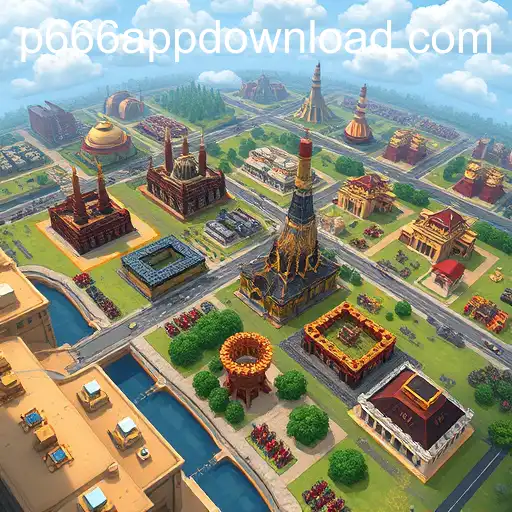
Strategy games have long been a preferred choice for gamers seeking a cerebral experience. These games challenge players to use strategic thinking, planning, and foresight to achieve victory. From classic board games like chess to complex video games that simulate expansive worlds, the strategy genre has continually evolved, captivating the minds of millions.
The history of strategy games can be traced back to ancient times with games like Chess and Go, which provided early examples of strategic thinking on a board. As technology advanced, so did the genre. Modern strategy games often involve intricate narratives, real-time decision-making, and large multiplayer arenas that demand not only strategic prowess but also the ability to adapt to opponents' tactics.
Key elements of strategy games include resource management, tactical decision-making, and long-term planning. These components are designed to engage the player's intellectual faculties and often require deliberation and patience. Games like StarCraft and Civilization have set benchmarks in the strategy genre, focusing on building capabilities, exploring uncharted territories, and conquering rivals.
One of the most interesting aspects of strategy games is their ability to enhance cognitive skills. Research suggests that regular engagement with complex strategy games can improve problem-solving abilities, increase memory retention, and hone an individual's capacity to think several steps ahead. This makes strategy games not just an entertainment medium but also a tool for mental development.
The appeal of strategy games lies not only in their intellectual challenge but also in the diversity they offer. From turn-based strategies to real-time strategy games and even hybrid forms that blend elements of both, there is something for everyone. Additionally, the rise of online gameplay has introduced global dimensions to these games, allowing players to pit their wits against each other from different parts of the world.
Moreover, modern strategy games often feature rich storylines and immersive graphics, which, when coupled with fundamentally sound gameplay, provide an engaging experience for players. They can simulate different scenarios such as wartime strategy in games like Total War or intergalactic conquest in Stellaris, granting players the chance to explore various aspects of strategic thinking.
In conclusion, strategy games remain an integral part of the gaming industry, known for their challenging yet rewarding gameplay. As technology and game design continue to advance, the potential for this genre is unlimited, promising even more sophisticated experiences that will continue to test and expand the strategic acumen of players worldwide.
